1
Consultation
We start by clarifying fit, scope, location, budget range, and timing. Early honesty is cheaper than late correction.
People do not just buy craftsmanship. They buy reduced uncertainty. KCC's process is built to answer the questions that create stress before those questions turn into expensive confusion.
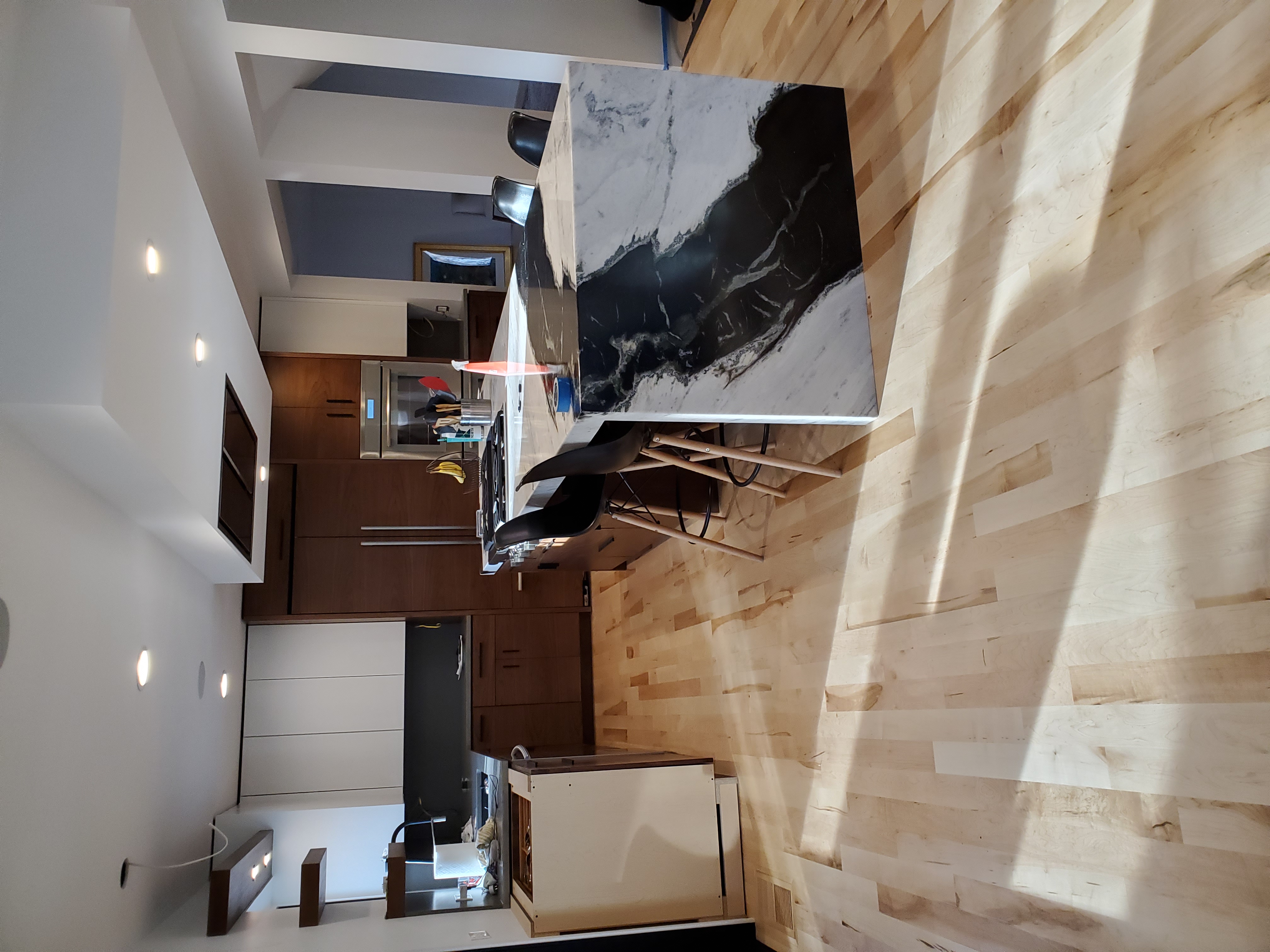
We start by clarifying fit, scope, location, budget range, and timing. Early honesty is cheaper than late correction.
Selections, allowances, trade dependencies, and key decisions are aligned before the field depends on them.
Once work begins, communication, site standards, and sequencing keep the experience from becoming chaotic.
Closeout should feel intentional too, with walkthrough, punch, and final handoff handled clearly.
How the process helps
Homeowners usually feel the difference between a calm project and a chaotic one before the finishes go in. It shows up in decision timing, communication quality, scope clarity, and whether the project keeps its footing once the field starts moving.
Scope, location, timing, and investment need to be discussed early enough that both sides can decide whether the project is a real match.
That is how you protect schedule, reduce rushed decisions, and keep craftsmanship from being undermined by last-minute changes.
Walkthroughs, punch work, and handoff should leave the homeowner clear on what is complete, what was resolved, and what comes next.
Once you reach out, we review the request, confirm fit, and follow up to talk through scope, location, timing, and project goals. If it makes sense to keep moving, we map the next step from there.
Budget friction, selection delay, trade confusion, and homeowner anxiety usually show up when planning gets pushed too far downstream. We work hard to keep that from becoming the story of the job.
Some projects are mainly about scope clarity, while others are about cost planning or learning how to compare builders well. Reading the right thing first usually makes the first conversation much more productive.
How to choose a contractor, realistic remodeling timelines, and how to compare proposals are the best places to start.
Get started
Scope, investment, location, and timing belong in the same conversation from the beginning. That is how better projects start.