The full whole-home service
How we run whole-home renovations.
Phased vs. one-pull, systems coordination, finish language, and how the project actually runs across many months.
Whole-Home RenovationA Minneapolis whole-home renovation almost always involves the same question: what’s worth keeping, what gets updated, and how do the kitchen, baths, systems, and finishes all move forward as one project rather than five disconnected room remodels. The houses that get this right age like they should.
The Minneapolis whole-home project
Minneapolis whole-home renovations sit in a specific niche: older character homes (bungalows, foursquares, Tudors, stucco two-stories) where the kitchen, baths, systems, and main-floor flow all need to move forward together. A piecemeal approach (kitchen one year, primary suite three years later, basement the year after) can leave the house feeling stitched together. The whole-home plan keeps the architectural language coherent and the systems work efficient.
The strongest renovations protect what made the house worth buying. Trim profiles, stair rhythm, window proportions, room sequencing, and exterior detailing should survive the project. The kitchen and baths can be brought into the current century without flattening the architecture. Selective opening, finish discipline, and millwork that respects the original vocabulary all matter.
The systems work is the part homeowners underestimate. Original or aging electrical, supply lines, cast iron, knob-and-tube remnants, plaster repair, insulation deficits, and HVAC capacity all usually need attention. Bundling that work into one renovation is more efficient than handling it as a sequence of emergencies. The proposal that ignores it will look better at signing and worse during construction.
Investment ranges
Most serious Minneapolis whole-home renovations land $400,000 to $1.4M. Smaller scopes that focus on kitchen, baths, and main-floor flow can run lower. Larger renovations with significant additions, structural reconfiguration, or near-custom-home finish standards can run higher, sometimes well beyond $2M for fuller restorations of larger character homes in Lowry Hill, Kenwood, or Linden Hills.
One-pull renovations (where the family relocates and the house is taken apart and rebuilt in one continuous project) are typically 10–20% cheaper in absolute terms than phased work. Phased lets the family stay but requires harder planning so phase one decisions don’t foreclose phase three options. Both are valid; the choice depends on the homeowner’s situation more than the project.
For a detailed breakdown of what drives cost at each tier, see our whole-home renovation cost guide for Minneapolis.
Useful next pages for Minneapolis whole-home planning
If you’re scoping a Minneapolis whole-home renovation, these pages cover the rest of the relevant context.
Phased vs. one-pull, systems coordination, finish language, and how the project actually runs across many months.
Whole-Home RenovationCharacter-home work across kitchen, bath, basement, and whole-home renovation. Neighborhoods, housing stock, and the conversations that come up most often.
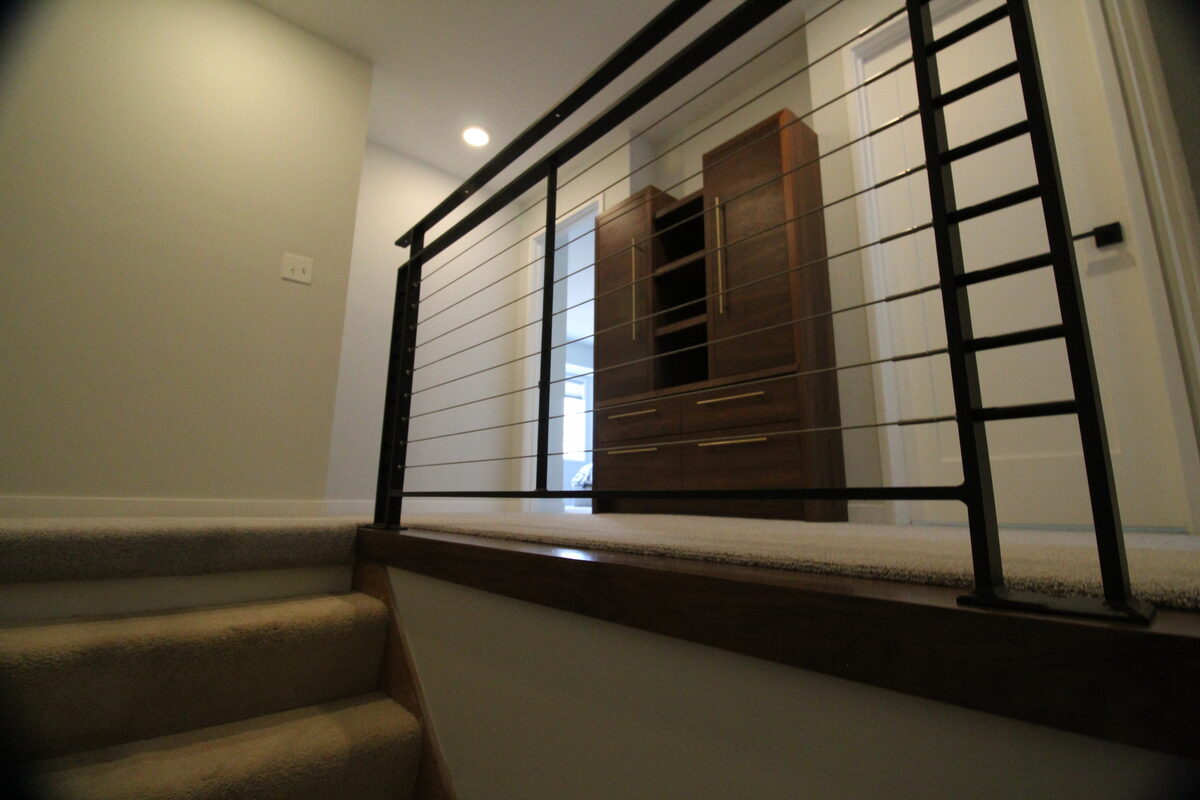
Minneapolis Service AreaWe expanded a 1911 home from one and a half stories to two, with four bedrooms and four bathrooms. New wood finishes were chosen to match the home's classic style.
See the projectMinneapolis whole-home questions we hear often
Most serious Minneapolis whole-home renovations land $400,000 to $1.4M, depending on size, structural scope, and finish standard. Character-home work with significant systems updates and structural changes can run higher. Smaller scopes that focus on kitchen, baths, and main-floor flow can land lower.
Both work. One-pull (move out, take the house apart, rebuild) is typically 10–20% cheaper and ships faster, but requires relocation for six to twelve months. Phased lets the family stay but needs harder planning discipline so phase one anticipates phase two. The right choice depends on the homeowner’s situation.
Yes. Original electrical, knob-and-tube remnants, cast iron drains, galvanized supply, plaster repair, insulation deficits, and HVAC sizing are usually part of a Minneapolis whole-home renovation. We scope them at the proposal stage so they’re not surprises mid-construction.
Linden Hills, Fulton, Tangletown, Lynnhurst, Kenwood, Lowry Hill, the Wedge, Kingfield, and the South Minneapolis blocks with older homes worth respecting come up most often.
Next step
Start with the one-pull-vs-phased conversation before the design conversation gets expensive. We can pressure-test scope, systems work, and finish standard against the rest of the house and your timeline.