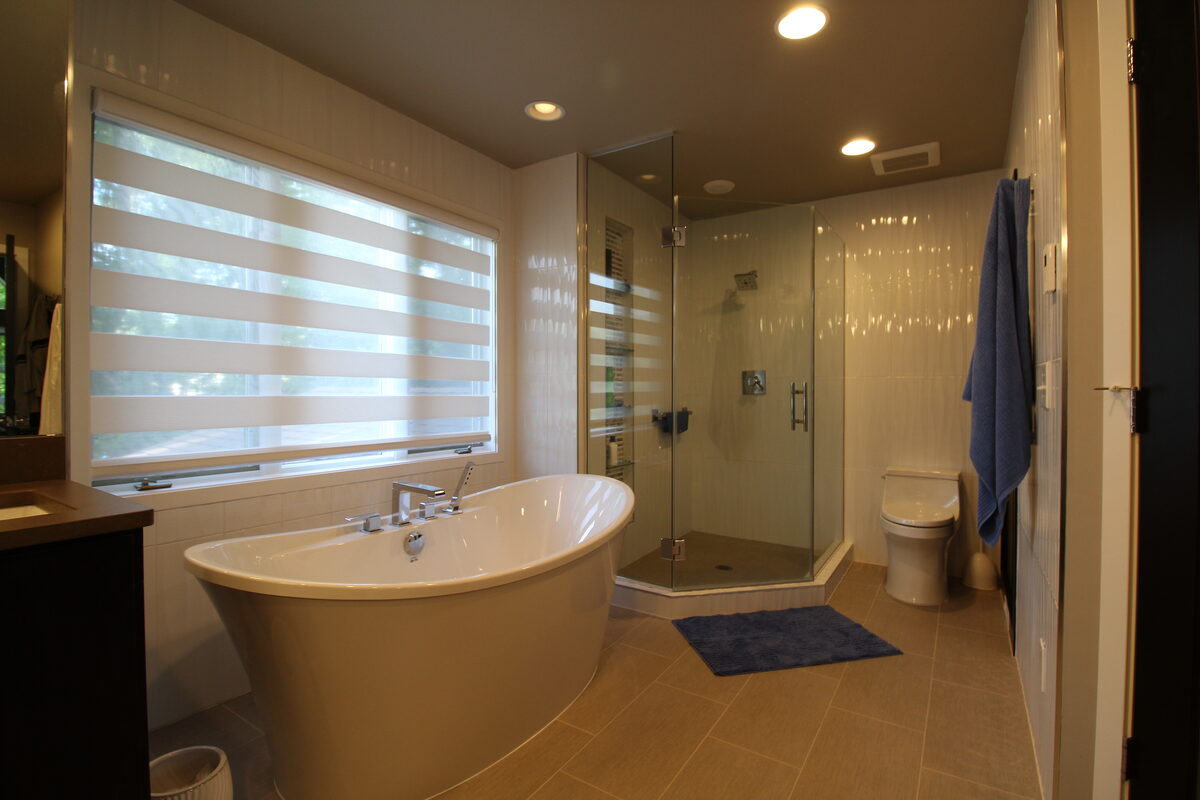
Adding a primary suite is one of the most-asked-about renovations in the Twin Cities, partly because so many older Minneapolis and west-metro homes weren’t built with one to begin with. The cost depends almost entirely on which approach the house and lot can support: bump-out, full addition, second-story, or attic conversion. What level of finish the family is after matters too. Here’s how the actual ranges break down, where homeowners usually underestimate, and how to know which approach is the right one before drawings start.
What counts as a “primary suite” and why the definition matters
A primary suite, in most of the projects we plan, is three rooms that work as one: a primary bedroom, a primary bathroom, and a walk-in closet of meaningful size. Sometimes a sitting area or laundry gets folded in. The exact composition matters because the cost of adding 350 square feet of bedroom is dramatically different from adding 350 square feet that includes plumbing, ventilation, tile, and a tub.
Most homeowners come to us asking what an “addition” costs. The honest answer is: the room mix matters more than the square footage. A bedroom adds at the lowest per-square-foot rate. A bathroom adds at the highest. A closet adds in the middle. Average them, and a primary suite addition usually carries a per-square-foot cost noticeably above a generic family-room addition.
Typical primary suite addition planning ranges
These are planning ranges for the Twin Cities, not bid commitments. They put the project in the right category before architectural decisions start pretending every addition is the same addition.
| Approach | Typical planning range | What it usually includes |
|---|---|---|
| Main-floor bump-out | $200,000-$350,000 | Smaller footprint expansion (300-450 sq ft), modest structural work, standard finish package, attached to existing primary or repurposing existing space. |
| Full main-floor addition | $300,000-$500,000 | 500-700 sq ft new footprint with full primary, primary bath with separate shower and tub, walk-in closet, and tie-in to existing roofline and exterior. |
| Second-story addition for primary suite | $400,000-$700,000 | New second-floor build over existing footprint, structural reinforcement of foundation and main-floor framing, full primary suite, and roof tear-off or partial reuse. |
| Higher-tier primary suite (any approach) | $500,000-$900,000+ | Custom millwork, higher-tier tile, integrated lighting, separate water closet, free-standing tub, primary-bedroom fireplace, custom closet build-out, and finish-level continuity with the rest of the home. |
The four common approaches and how they price
Main-floor bump-out. A small footprint expansion attached to the existing primary, often turning a tight bathroom into a walk-in shower with a real closet. Lowest cost of the addition options. Usually appropriate when the existing primary is in roughly the right place but cramped.
Full main-floor addition. A new wing or extension that adds a full primary suite at the main level. More expensive than a bump-out because of the larger roof, foundation, and exterior tie-in, but often the right choice for empty nesters, aging-in-place planning, or homes where second-floor stairs are a long-term issue.
Second-story addition. Building up rather than out. Lot constraints often push families this direction in older Minneapolis neighborhoods where the lot is fully built out at grade. Adds the most usable square footage per dollar but introduces structural and weather sequencing complications.
Attic conversion. Sometimes the third option in older Minneapolis homes: turning an unused attic into a primary suite. Lower square-footage cost than a true second-story addition because the roof and walls already exist, but it requires structural review of the existing rafters, dormer additions for usable head height, and thoughtful HVAC and stair planning. The price range overlaps the main-floor bump-out range when the attic structure cooperates.
What moves the cost
The bathroom drives more of the budget than people expect. Tile work, waterproofing, ventilation, plumbing, and the fixture package can run $60,000 to $150,000+ within an addition, depending on selections. A spa-tier primary bath can quietly become more than a third of the project total.
Foundation work matters more on second-story additions than on main-floor ones. If the existing foundation can’t carry the new dead and live loads of a second story, structural reinforcement adds meaningfully to the budget, usually $20,000 to $80,000 depending on what’s required.
Roof tie-in and exterior continuity. A poorly resolved addition reads as a tacked-on box from the curb. Making a primary-suite addition look like it always belonged to the house (matching siding, roofline, fascia profile, window proportions) takes real time and real money. It is cheaper to skip. It is worth doing anyway.
Site conditions. Tight lots, mature trees, easements, and access for equipment can all add weeks and dollars. The west-metro suburbs tend to be friendlier here than older Minneapolis neighborhoods.
What homeowners often miss in early budgets
HVAC capacity. Adding 600 square feet to the conditioned envelope often means the existing furnace, AC, and ductwork can’t carry the new load. Right-sizing equipment, adding a zone, or running new supply and return runs can add $10,000 to $30,000 that doesn’t appear on the framing line item.
Electrical service. Older homes, especially Minneapolis bungalows and pre-1980 builds, often have 100-amp service that’s already maxed. A primary suite addition with a heated floor, multiple lighting circuits, and modern HVAC pushes that toward a 200-amp upgrade. Plan for it early.
Existing-house disruption. Tying a new addition into an existing house usually means opening a wall (or two, or three) into rooms you weren’t intending to remodel. That dust, that timing, that re-paint are all real and all worth talking about before drawings.
Closet build-out. The walk-in closet is often the cheapest part of the addition shell, but the millwork inside it can range from $5,000 (wire shelving) to $40,000+ (custom built-ins with island, drawers, and lighting). The selection matters more than people expect.
When a primary suite addition is the right move
When the existing primary is genuinely undersized or in the wrong part of the house, the math is usually compelling. When the family plans to stay long enough to enjoy the result. When the home’s value supports the addition without making it the most expensive room in the neighborhood. When aging-in-place is part of the long-term plan and a main-floor primary makes the house work for decades.
When it’s less compelling: short-stay plans, undersized homes where the addition would push total value above neighborhood norms, or homes where the daily friction can be solved by reworking existing space rather than adding new. We’d rather walk through that math early than discover it during selections.
Common questions
What does a primary suite addition cost in the Twin Cities?
A main-floor bump-out usually lands $200,000 to $350,000. A full main-floor primary suite addition runs $300,000 to $500,000. A second-story primary suite addition typically runs $400,000 to $700,000. Higher-tier versions of any of these can reach $900,000 or more, especially with custom millwork and higher-tier bath finishes.
Why does a bedroom-bathroom-closet addition cost more than a family-room addition of the same size?
Because the room mix is different. Bedrooms add at the lowest per-square-foot rate; bathrooms add at the highest because of plumbing, ventilation, tile, and waterproofing. A primary suite is roughly half-bath by cost share, even when it’s a much smaller share of the floor area. That’s where the per-square-foot higher-tier comes from.
Should we add up or add out?
It depends on the lot, the foundation, and the way the rest of the house works. Adding out is usually simpler and costs less per square foot. Adding up uses no additional yard but introduces structural reinforcement and weather-sequencing complications. On a tight Minneapolis city lot, going up is often the only option. In the suburbs, going out usually wins.
How long does a primary suite addition take?
Construction usually runs 5 to 9 months once permits and selections are locked. A main-floor bump-out can run shorter; a second-story addition with foundation reinforcement runs longer. Planning and design typically add another 2 to 4 months ahead of that. Plan for a calendar year start to finish.
Will we need to move out during construction?
Most families stay. We dust-control the construction zone, maintain access to existing bathrooms and bedrooms, and sequence the demolition into the existing house carefully. Some second-story additions with major roof tear-off make a temporary move easier for the weather-sensitive weeks. We’ll tell you honestly which weeks are the rough ones before construction starts.
Official planning references
Numbers depend on scope, but permit and licensing questions should still be grounded in real local rules. These are useful starting points before any project-specific review.
Primary suite planning
The right primary suite project starts with the existing house, not the wish list.
We can help you sort through approach, finish level, and budget range before drawings start hardening. The earlier the conversation, the cleaner the project.