Bathroom remodeling

Bathrooms that feel as good on a Tuesday morning as they do on photo day.

A bathroom has to feel calm when it's done and run clean while it's being built. That comes from waterproofing, tile discipline, selection timing, and finish judgment — coordinated from the start, not stitched together at the end.

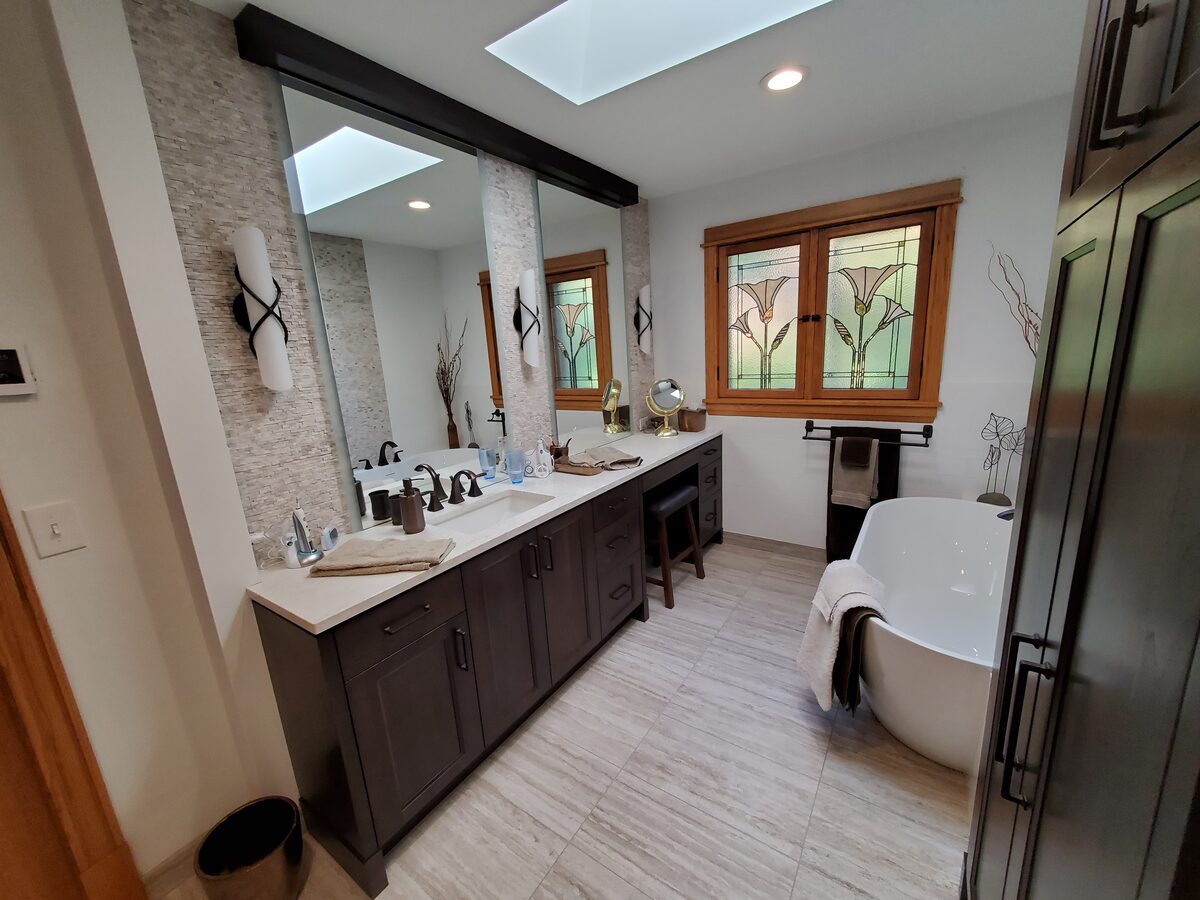
Spa-style primary bath with freestanding tub, full glass shower, and warm wood vanity
The bathroom you live with is the bathroom the substrate, waterproofing, and tile setter built. The finish is the easy part.
What we work on
  • Primary suite remodels with full glass showers and freestanding tubs
  • Hall and guest baths built to a primary-bath standard
  • Powder rooms with custom vanity work
  • Kids' baths with durable tile and easy-clean detailing
  • Steam showers, sauna integration, and spa-quality finish work
What separates a good bath from a leaky one

The bathroom photos are the easy part. The waterproofing, substrate prep, drain integration, and tile-setting standard are what decide whether the bathroom still feels right in ten years or starts showing cracks at the threshold by year three. We sequence the invisible work like it matters more than the finish — because it does.

Why bathrooms fail early

The bathrooms that don't last got built in the wrong order.

Most bathroom failures aren't about taste. They're about substrate, drainage, and waterproofing decisions that nobody saw because they were buried by tile within a week. The patterns below cause more bathroom rework than every other factor combined.

Waterproofing skipped

Tile is not a waterproof finish.

Behind every tile wall in a wet area, there should be a real waterproof membrane integrated with the drain. Without it, the wall is a sponge. Most bathroom leaks we get called about trace back to this single decision.

Substrate cut corners

Tile cracks come from the floor, not the top.

Underlayment, deflection, fastening pattern, and uncoupling membrane decide whether the floor tile cracks at year two or year twenty. We don't let the install happen on a substrate we wouldn't use in our own house.

Selections too late

Tile, fixtures, and glass have lead times that drive schedule.

Bathroom slippage is rarely a labor problem. It's almost always a selection problem. Tile, plumbing fixtures, and glass shower units have lead times that need to be locked before demo so the schedule doesn't have a mid-project hole.

Scope and budget orientation

What a Twin Cities bathroom remodel actually costs.

The right number depends on size, finish tier, plumbing rework, and waterproofing complexity. The ranges below are construction-side and exclude furniture and accessories.

Hall or guest bath

Same standard, smaller footprint.

A 60- to 90-square-foot bath remodeled to the same waterproofing and tile-setting standard as a primary. Often $25,000 to $80,000 depending on layout changes and tile selection.

Primary bath

Freestanding tub, full glass, double vanity.

A 150- to 300-square-foot primary bath with the standard list of moves: freestanding tub, full-height glass shower, double vanity, real lighting plan, heated floor. Often $50,000 to $140,000.

Spa-tier primary

Steam, sauna, custom tile, deep cabinetry.

Primary baths with steam showers, sauna integration, custom-fabricated stone, deep millwork, or significant plumbing relocation. Often $140,000 to $300,000 or more.

Where bathroom decisions get made

The order matters more than the finish does.

The order we work in is what protects the bathroom over time. The finish gets the photo, but the prep gets the longevity. The three checkpoints below are the ones we don't compromise on.

Pre-demo

Plumbing, layout, and selections locked.

Before we open a wall, we want plumbing fixtures, tile, glass, and vanity selections finalized. That's what keeps a bathroom on its eight-week schedule instead of a four-month one.

Pre-tile

Substrate, waterproofing, and drain prep inspected.

The most important inspection in any bathroom is before the tile goes on. We walk every wet area before tile-setting starts to confirm membrane integrity, slope, drain integration, and substrate flatness.

Pre-closeout

Glass, mirror, and trim land last and clean.

Glass and mirror fabrication wraps the project. We sequence finish carpentry, plumbing trim, and glass install in an order that keeps the bath from being touched twice and makes punch list short.

Bathroom remodeling FAQ

Questions homeowners ask before the demo crew shows up.

The most useful early questions tend to be about waterproofing, layout, and how the schedule actually moves — not finishes.

What does a bathroom remodel cost in the Twin Cities?

Hall baths typically run $25,000 to $80,000 depending on scope and finish level. Primary baths usually land $50,000 to $140,000. A highly customized primary suite with premium tile, glass, lighting, and waterproofing can reach $140,000 to $300,000 or more.

What waterproofing standard do you use?

Sheet membrane or liquid-applied waterproofing on shower walls and floors, with proper drain integration, is our default. The cheapest mistake in a bathroom is skipping this step. Most leaks we get called to investigate trace back to substrate prep, not the tile or grout.

How long does a bathroom remodel take?

A primary bath usually runs 8 to 12 weeks of construction once permits and selections are locked. Hall baths often run 5 to 8 weeks. Tile lead time, glass fabrication, and inspection scheduling are the most common reasons a bathroom slips.

Can you keep the existing layout to save money?

Often, yes. Keeping the toilet, shower, and tub in their current locations significantly reduces plumbing rework. The right answer depends on whether the existing layout is just dated or actually limiting how the bathroom works.

Do you do the tile work yourselves or sub it out?

We work with a small group of tile setters we've used for years. The tile setter matters more than the tile. We sequence and inspect the substrate prep, waterproofing, and setting work because the bath you live with is the bath the tile setter built.

Next step

If a bathroom needs to last, plan the invisible work first.

We can talk through scope, sequencing, and finish category before selections start driving decisions that get expensive to undo. The cost guide covers what most Twin Cities homeowners want to know up front.

CallTell Us About Your Project