Bathroom remodels often feel like they should move fast because the footprint is limited. The reality is that a bathroom carries multiple sequencing points that can't be rushed without affecting quality. That's why bathroom schedules often surprise people, especially when the project includes a custom shower, better tile work, plumbing changes, or a higher-tier fixture package.
Bathroom remodel timeline ranges
The right planning window depends less on square footage and more on how many dependencies the room carries.
| Bathroom type | Common construction window | What affects timing |
|---|---|---|
| Simple hall bath | 4-6 weeks | Layout stays put, simpler tile or surround, standard fixtures, limited hidden corrections. |
| Custom hall or primary bath | 6-8 weeks | Custom tile, better vanity, plumbing/electrical adjustments, inspections, shower-glass coordination. |
| Higher-tier primary suite | 8-10+ weeks | Expanded layout, complex tile, heated floors, specialty fixtures, custom glass, older-home corrections. |
Why bathroom schedules stretch
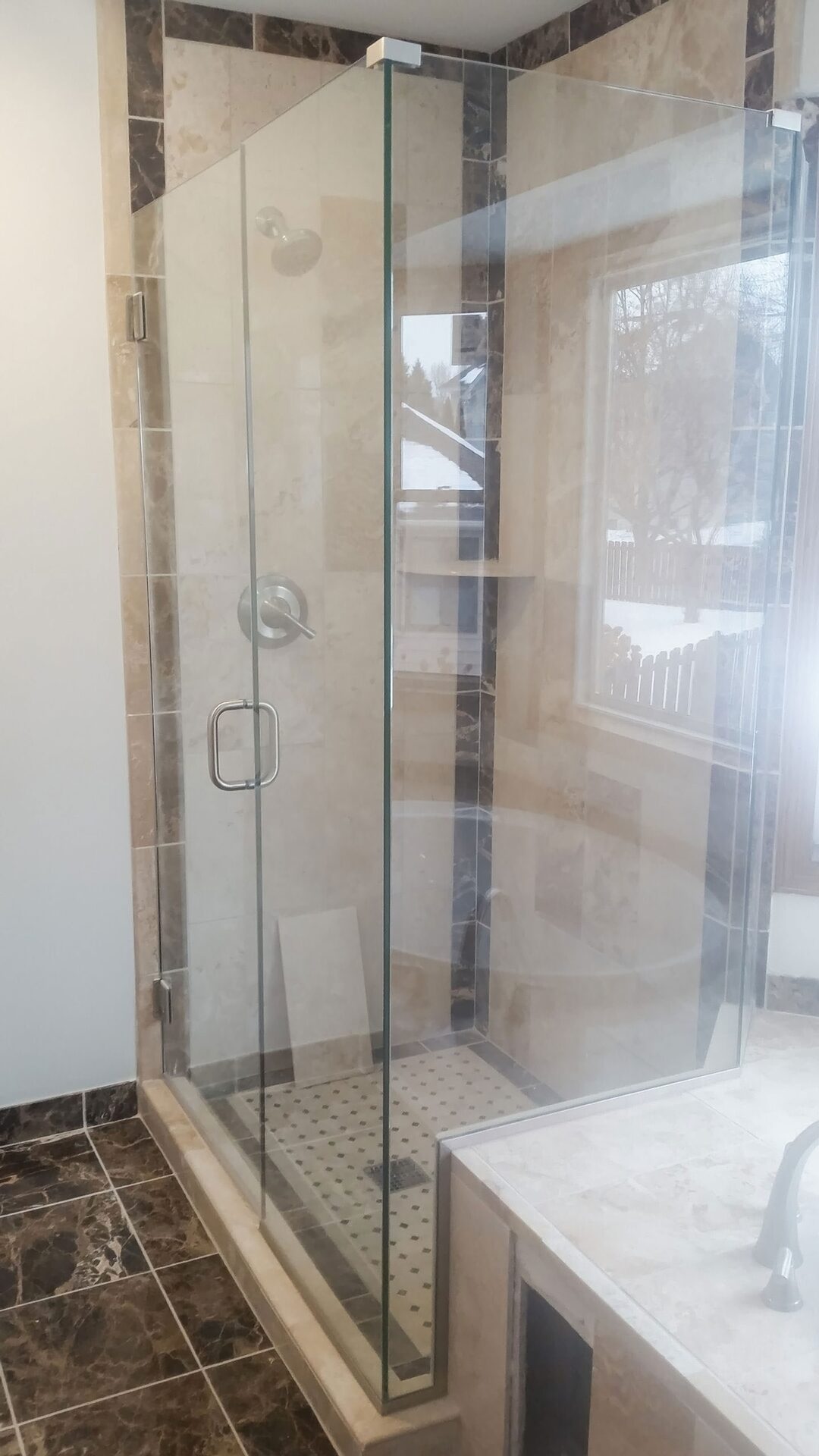
Bathrooms are one of the most sequencing-sensitive rooms in the house. Demolition leads to rough-in. Rough-in leads to substrate and waterproofing work. Tile work needs cure time. Finish fixtures depend on earlier steps actually being complete. Shower glass is often measured only after tile is in place, which creates another lead-time window near the end. Each of those points is normal. They aren't evidence that something is going wrong.
What usually turns a normal bathroom timeline into a frustrating one is late decisions. Tile selection, plumbing trim, vanity lead time, layout changes, and fixture surprises all push harder in a bathroom because there is less slack in the sequence.
What to plan for before the room goes offline
It helps to think in terms of a real planning window, not just active demo days. Selections should be resolved early, especially on tile, vanity, plumbing, and shower-glass direction. If the room is the household's only bathroom, temporary-use planning matters too. That isn't a side issue. It affects how stressful the project feels day to day.
The right expectation is usually that the project moves steadily when decisions are made on time and the room isn't forced to absorb last-minute changes. The room may be small, but it still needs respect from the schedule.
Where Minnesota-specific realities show up
Permit timing, inspector availability, product lead times, and the realities of older housing stock all matter. Homes in Minneapolis and the West Metro often reveal behind-the-wall conditions that have to be corrected before the room goes forward cleanly. That can be plumbing, framing, ventilation, or moisture-related work. Better schedule planning leaves room for the possibility without assuming the whole project will unravel.
Winter versus summer, and trade availability
Minnesota project schedules also have to deal with the calendar. Trade availability is tightest in the late-spring through early-fall window, when exterior work, additions, and new builds are all competing for the same plumbing, electrical, and tile crews. A bathroom started in October often moves through the trades faster than the same project started in May, simply because the crews have more capacity. That doesn’t mean winter is automatically better, since product lead times don’t care what season it is, but it does mean the season can quietly add or subtract a week or two on the back end.
Selections lead times are where most bathroom schedules quietly slip. A custom vanity from a quality cabinet shop typically runs eight to twelve weeks. Specialty tile from a small-batch supplier can be similar. Shower glass measurement happens after the tile is set, which puts another two to three weeks at the tail end of the build. None of this is exotic; it’s how bathrooms have always run. A schedule that doesn’t plan for it spends the last month feeling tight.
How to keep the schedule honest
The bathrooms that finish near their original target date almost always share a few habits. Selections are locked before demolition starts, not partway through framing. Allowances are written for the actual finish level the homeowner wants. Permit submission is timed to inspector availability, not just builder preference. And the change-order protocol (what happens if something unexpected shows up behind the wall) is named in the contract rather than left to mid-construction negotiation. When all four habits are in place, the schedule lands within a week or two of the plan. When one is missing, the slip is usually three to five weeks.
Common bathroom timeline questions
How long does a bathroom remodel take?
A straightforward bathroom often needs 4 to 6 construction weeks. Custom showers, plumbing moves, glass, higher-tier tile, or older-home corrections often push the window closer to 6 to 10 weeks.
Why is shower glass a schedule item?
Glass is often measured after tile is installed, which creates a lead-time window near the end. It is normal, but it should be planned instead of discovered late.
What should be chosen before demo?
Tile, vanity, plumbing trim, lighting, ventilation, shower direction, hardware, and specialty fixtures should be settled before the room goes offline.
Next step
Use bathroom schedule planning to remove avoidable stress before the room goes offline.
We can help sort realistic timing, critical selections, and the points most likely to affect how steady the project feels once construction starts.