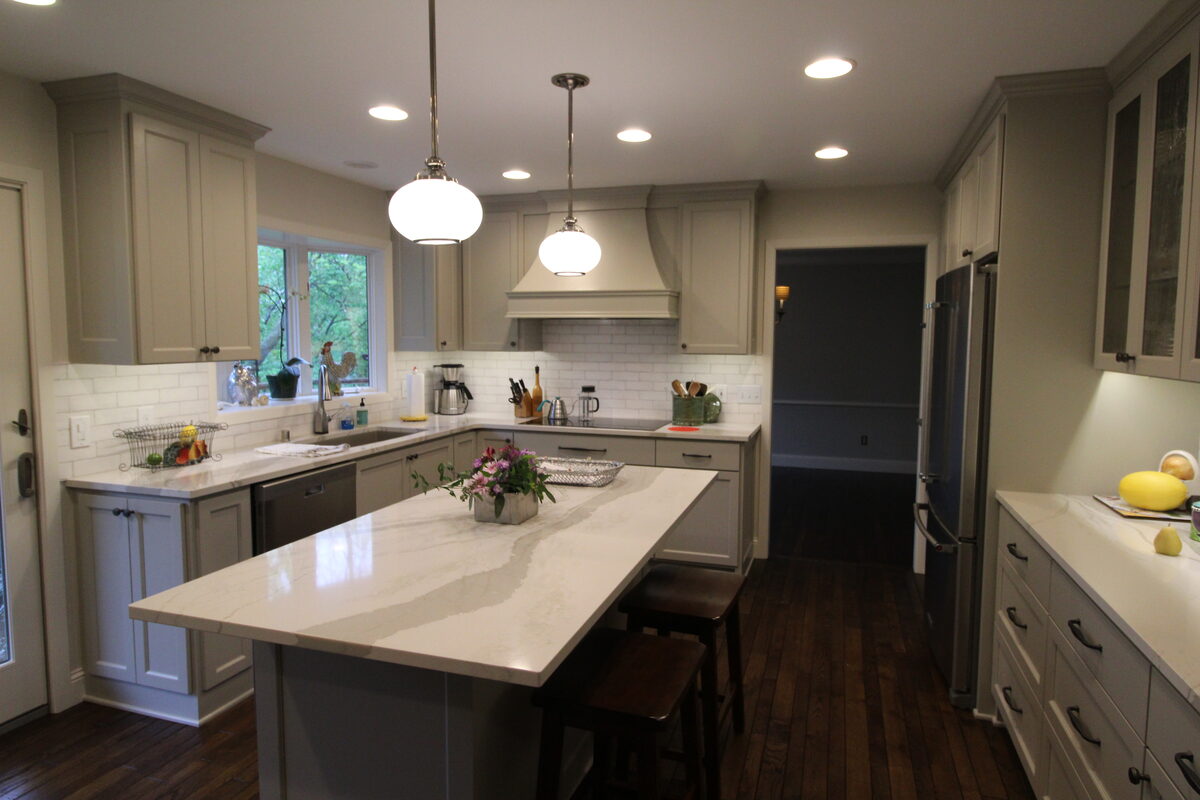
Kitchen remodel ROI is a common question in residential remodeling. Homeowners want a clean answer, but broad market data can only provide context. The useful planning work starts by separating resale assumptions from the value of solving the kitchen for the people who live there now.
Where ROI numbers come from (and where they fall apart)
Published cost-versus-value studies can provide regional context, but they combine many homes and scopes into broad averages. They cannot predict what a specific buyer will pay for a specific kitchen.
For a Minneapolis homeowner, the more useful questions are whether the existing kitchen limits the house, whether the proposed scope fits the property and neighborhood, and how long the homeowner expects to use the result. A local real estate professional or appraiser can add property-specific resale guidance before the scope is set.
Market conditions also change between the day a project is planned and the day the home is sold. Treat any published recovery figure as a dated benchmark, not a promise.
How kitchen scope affects resale
Different scopes solve different problems. A refresh may address visible wear without changing the room. A full remodel may correct layout, storage, lighting, electrical, plumbing, and finishes together. A higher-tier project may be appropriate when the home and homeowner both call for it, but cost alone does not establish resale value.
| Project type | Primary purpose | Resale question to ask |
|---|---|---|
| Light refresh | Address visible wear and dated finishes | Does the work improve presentation without hiding larger functional issues? |
| Full remodel | Correct layout, systems, storage, and finishes together | Does the new scope fit the value and expectations of the home? |
| Highly customized remodel | Build around the current owner’s long-term use | Which choices are personal-use investments rather than likely resale drivers? |
What drives ROI up
Selections that fit the house and are likely to appeal beyond one person’s taste. The best choice depends on the home, its surrounding rooms, and the buyer segment a local real estate professional expects.
Layouts that solve functional problems. Opening a closed-off kitchen, correcting poor circulation, or adding useful storage may improve both daily use and buyer appeal when those changes suit the house.
Finish-level consistency with the rest of the house. A kitchen that substantially exceeds the scope and finish level of the surrounding rooms may not return the added investment. The kitchen has to belong to the house.
Appropriate system updates. Electrical, plumbing, ventilation, and structural work should be evaluated as part of the scope rather than hidden behind new finishes.
What doesn’t move ROI much (but might still be worth it)
Top-tier appliances. A higher appliance budget may improve daily use without returning dollar for dollar at resale. That can still be a sound choice when it is made for the homeowner rather than a hypothetical buyer.
Highly custom cabinetry details. Features such as specialized storage or integrated charging may be valuable in daily use even when a future buyer does not price each feature separately.
Statement-level finish choices. Distinctive stone, color, or millwork can be the right decision for a long-term owner while narrowing the group of future buyers who share the same taste.
None of this means don’t do them. It means: do them because you want to live with them, not because you expect them to come back at resale. Honest about that math, the decision usually makes itself.
Lifestyle ROI: the part the spreadsheet misses
Most homeowners we work with aren’t selling next year. They’re planning to stay five, ten, or twenty more years in a house they like. The kitchen is where the family eats most meals, where homework happens, where the morning starts. The dollar-recovery percentage matters, but it’s one number among several.
A useful way to think about lifestyle ROI is to consider the investment alongside the years you reasonably expect to use the kitchen. That does not create a resale forecast, but it helps separate daily value from a future sale price.
We’re not making the case that you should ignore the spreadsheet. We’re making the case that the spreadsheet is one tool, not all of them.
When a kitchen remodel is the right ROI move, and when it isn’t
A remodel may make sense when the existing kitchen limits how the house works, important systems need attention, and the family plans to stay long enough to use the result. Those conditions support the decision, but they do not guarantee a particular return.
If you plan to sell soon and the existing kitchen is functional, talk with a local real estate professional before setting the scope. The same applies when the proposed work would substantially exceed the surrounding home or neighborhood.
Common questions
How much of a kitchen remodel do you get back at resale in Minneapolis?
There is no dependable fixed percentage for a Minneapolis kitchen remodel. Recovery depends on the home, the scope, the neighborhood, the market when the property sells, and how well the finished kitchen fits the rest of the house.
Does a more expensive kitchen always have a worse ROI?
Not always. Resale recovery depends on how the scope fits the home and its likely buyers, not cost alone. A local real estate professional or appraiser can give property-specific guidance before construction begins.
Will higher-tier appliances pay back at resale?
Do not assume a higher appliance budget will return dollar for dollar at resale. Choose that tier for the way you plan to use the kitchen, and ask a local real estate professional how buyers in your segment tend to respond.
What about a kitchen that’s nicer than the rest of the house?
A kitchen should feel consistent with the rest of the house. If its scope and finish level are far above the surrounding rooms or neighborhood, a buyer may not assign the same value to the extra investment.
Should I remodel before selling?
Ask a local real estate professional to compare the likely sale impact with the cost and timing of the work. If you plan to sell soon, that property-specific advice should come before a remodeling scope is set.
Official planning references
Numbers depend on scope, but permit and licensing questions should still be grounded in real local rules. These are useful starting points before any project-specific review.
Kitchen ROI
Honest math leads to a better kitchen project.
We can help you separate the parts of the project that come back at resale, the parts that pay you back in daily life, and the parts that should be cut for either reason.